

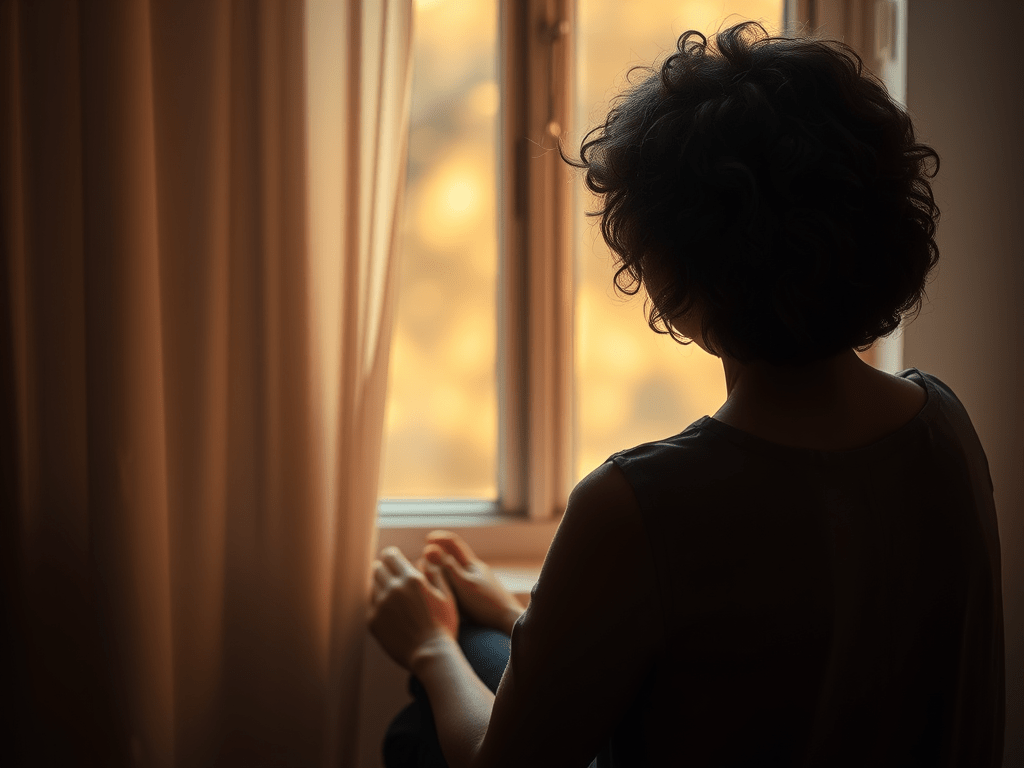
Hey everyone, it’s my cancerversary. I’m officially a two-year breast cancer survivor today. This warrior is still fighting the good fight but today is a day to celebrate.
Health update (for those who’ve asked, skip if TMI for you):
- I’ve had laser surgery on my right eye, and the left one will be done early next month for the closed angle glaucoma I developed because of treatment. I’m seeing better in my right eye and the headaches are reducing. I’ll take the wins where I can get them! I’m hoping for the visual disturbances, blurred vision, and headaches will go away after the second surgery.
- On to the not so great… over the past few months I developed nodules under my arm and in my groin. I’ve had trips to multiple docs for this – oncologist, PCP, back to oncologist, and dermatologist. I haven’t had a biopsy on them yet. They’re in the cutaneous layer of skin, which is good news – not likely mets according to oncologist. That’s the bubble that I currently live on at this point. The dermatology nurse practitioner diagnosed me two days ago with Hidradenitis Suppurativa – an incurable autoimmune disease. It creates thread like tunneling under the skin and erupts painfully. Like I needed another thing. This is a disease that usually starts between ages 15 and 30, and sometimes into one’s 30s. I told my husband when I was 50 that I felt like I was 25 – here’s proof LOL. I’ll take 32!! I have so many questions about this diagnosis – is it because of chemo, radiation, the hormone blockers, is it from metabolic insulinemia? Is it a misdiagnosis and it’s really mets – my main worry. It’s early days for this. I have a lot to learn.
- My oncologist is still putting off Zometa and Kisquali because of the daily side effects I’m still dealing with on my second AI med and these drugs come with nasty side effects too. The goal is to balance in fighting this disease. As if hot flashes, sweats, joint/muscle/bone pain, nausea, and insomnia are easy to live with – just the highlights.
- The seroma that developed after surgery is getting smaller. I think the numbness and hairlessness under my arm is permanent at this point. I’m still having severe muscle spasms around my ribcage. But I keep pushing forward on stretching daily so the cording won’t return and the spasms will stop.
- I finally got approval from my oncologist to color my hair. After losing it all to chemo, it’s come back dark, curly, with lots of gray – opposite of the blonde hair from birth. They told me that was likely to happen but I wasn’t prepared for looking washed out and old this far out. I can’t wait for my hairdresser, Brittany, to work her magic. There’s so much that cancer takes away from you. I’d like to have a bit of me back.
- Lastly, I have a diagnostic mammogram and ultrasound next week in the breast center of the cancer center. I do get some scanxiety when it comes to these things. Crossing fingers, toes, and everything else!!
Now on to what’s on my mind…
**Warning, beyond this point might be controversial. It discusses trauma’s correlation to disease.
There’s been discussion in my cancer group about trauma related events in relation to the development of cancer. I think there are some interesting ideas around this, and it reminded me of Dr. Gabor Mate, who I stumbled on about eight years ago on YouTube, who discusses later life disease development in relation to trauma.
I have to be careful with this. We all have histories – both good and bad. I can go down the rabbit hole resurrecting some serious resentments about past events. I have to remember for myself that what happened to me may not have been my fault, but it is my responsibility to deal with it, care for myself, and thrive. I’m still a work in progress on self-regulation in this area.
Breast cancer is often spoken of in terms of genetics, lifestyle choices, and environmental factors. Yet, beneath the surface of medical explanations, a quieter but profound narrative persists: the subtle and intricate correlation between trauma and disease. Increasingly, researchers and clinicians, including Dr. Mate, a leading voice in trauma-informed medicine, are illuminating the ways in which emotional pain, unresolved trauma, and chronic stress may weave their way into the body, manifesting as illness.
The following is what I’ve gleaned, which resonates personally, from reading about trauma causing illness.
The Invisible Wounds: Understanding Trauma’s Role
Trauma is more than a single event; it is a constellation of experiences that leave lasting imprints on the mind, emotions, and body. Dr. Gabor Mate, renowned for his work on the connection between emotional suffering and physical disease, posits that the body and mind are not separate entities. In his book “When the Body Says No,” he explores how suppressed emotions, chronic stress, and early adverse experiences can contribute to the onset of illnesses—including cancer.
Mate writes, “In the real world, stress is inseparable from the individual’s emotional responses to life’s events.” He suggests that those who habitually suppress their own needs, prioritize others, or live amid chaos and unpredictability may be more vulnerable to illness. The body, he argues, often becomes the battlefield for unaddressed emotional wars.
A Story of Resilience: Sarah’s Journey
Consider the story of Sarah*, a woman who spent years married to an alcoholic partner grappling with severe mental illness. The marriage was fraught with instability, emotional neglect, and episodes of fear. Sarah became the silent caretaker, managing crises, shielding her children, and sacrificing her own well-being for the hope of familial peace. Her world revolved around survival—making sure each day passed without catastrophe.
Yet, even after the marriage ended, the imprint of those years lingered. Sarah felt inexplicable fatigue, found herself anxious in moments of calm, and unconsciously braced for conflict where there was none. Two years after her divorce, she was diagnosed with breast cancer.
Sarah’s story, though deeply personal, echoes patterns seen in research and clinical practice. Women who have endured long-term emotional distress, particularly in relationships marked by addiction and mental illness, may internalize their pain, often without conscious awareness. The chronic activation of stress hormones, compounded by years of emotional suppression, can set the stage for physical manifestations—including cancer.
Dr. Gabor Mate’s Perspective: Trauma and Disease
Mate’s work bridges the gap between scientific understanding and compassionate inquiry. He argues that disease should not be seen merely as a biological malfunction, but as a message—an eloquent expression of what has been hidden or denied. Trauma, he suggests, is not just what happens to us, but what happens inside us as a result.
“Our immune system is not isolated from our emotional world,” Mate explains. The chronic stress of living with an alcoholic partner, continually suppressing anger, sadness, and fear, may alter immune function, increase inflammation, and disrupt cellular repair mechanisms. While not all breast cancer is linked to trauma, the correlation is strong enough to warrant deeper attention, especially in cases like Sarah’s, where the body’s history is inseparable from its emotional past.
Personal Responsibility and the Path Forward
It is tempting to feel powerless in the face of disease, especially one as complex as breast cancer. Yet, personal responsibility is a vital part of healing. This does not mean blaming oneself for illness; rather, it means recognizing the agency we have in shaping our present and future.
For Sarah, recovery was not only about medical treatment; it was about reclaiming her emotional life. She began therapy, joined support groups for cancer survivors, and learned to voice her needs and boundaries. She discovered yoga and meditation—not just as physical exercises, but as tools for reconnecting with her body and emotions.
The Importance of Support Systems
Healing from both trauma and illness is rarely a solitary journey. The presence of a loving, supportive community can make the difference between surviving and thriving. Sarah’s path was illuminated by friends who listened without judgment, fellow survivors who shared their stories, and professionals who guided her through emotional unravelling.
Support systems do not erase pain, but they soften its edges and offer vital reminders that we are not alone. Whether through family, friends, therapy, or groups, connection is as essential to recovery as any medicine.
Love After Trauma: Rediscovering Joy
Trauma can narrow one’s vision, making it difficult to imagine happiness or trust again. Yet, Sarah’s story did not end with survival—it blossomed into renewal. Years after her diagnosis, she met someone who cherished her for who she was, scars and all. With this new partner, she found gentleness, honesty, and laughter—qualities that had felt unreachable in her past. (Fortunately, I met and married my dear husband five years before my diagnosis. He has been my rock, my reason, every step of the way.)
Finding love after trauma is not about erasing history; it is about integrating it. It means acknowledging pain, respecting boundaries, and daring to hope. For those healing from both cancer and emotional wounds, healthy relationships can be profoundly transformative, affirming the possibility of joy after hardship.
The Threads We Weave
Breast cancer is a complex tapestry of genetics, environment, and fate—but for many, trauma is an invisible thread running through the weave. As Dr. Gabor Mate teaches, healing is both a biological and emotional journey. Personal responsibility, a strong support system, and the courage to seek love and connection are pillars of wholeness.
Sarah’s journey reminds us that while we cannot always control what happens to us, we can shape how we respond—and, in doing so, open the door to deeper healing, resilience, and, ultimately, joy.
Every journey is different. Some of Sarah’s journeys are similar to my own. From the beginning of mine I struggled with why me and looked for answers, but put that aside to focus on what lay ahead at each step, protecting myself along the way as much as possible from stress. I’m still in the thick of it but today is an important day for me.
*Name changed to protect privacy.
#BreastCancerSurvivor #Cancerversary #BreastCancerAwareness #HealingJourney #TraumaAndHealing #CancerWarrior #HealthUpdate #AutoimmuneDisease #HidradenitisSuppurativa #LivingWithCancer #CancerSupport #EmotionalHealing #Resilience #SupportSystems #MentalHealth #ChronicIllness #CancerCommunity #SurvivorStory #SelfCare #Scanxiety #TraumaRecovery

 Our Humble Road
Reading your posts brings to life the after effects of cancer. Although I know women who have experienced mastectomies and surgery, I don’t (and I’m sure many others don’t) realize what the aftermath is. It’s like “woohoo you heroine survivor! You go girl!”. And you are, but we forget you’re still moving through pain.
Maybe I didn’t articulate that well but ❤️
As for the trauma creating illness, I don’t doubt it. It makes me worry! 😂 because I work through stress on a daily basis.
LikeLike
I don’t know that it is THE cause but it seems it may be a cause. There’s other illnesses too that are caused by raised cortisol levels. I think doctors are just beginning to look at it. Watching Dr. Gabor’s YouTube videos has such a calming effect. He was a child Holocaust survivor. I think that’s why he’s done so much work in this area, personal experience.
It is traumatizing to go through BC treatment itself. I’m still in treatment but I’m reading about the post treatment phase. During chemo I had to shut down emotions to get through it. Now I don’t want a recurrence or mets so I know that I have to deal with the emotional part.
LikeLiked by 1 person
I hope you find a way – and I’m sure you will!
LikeLike
thank you 🙂
LikeLike